Can Ballet Fitness Change Your Body After 40? Strength, Posture and Flexibility Explained
What if getting stronger, improving your posture and feeling more confident in your body didn’t require another exhausting gym routine?
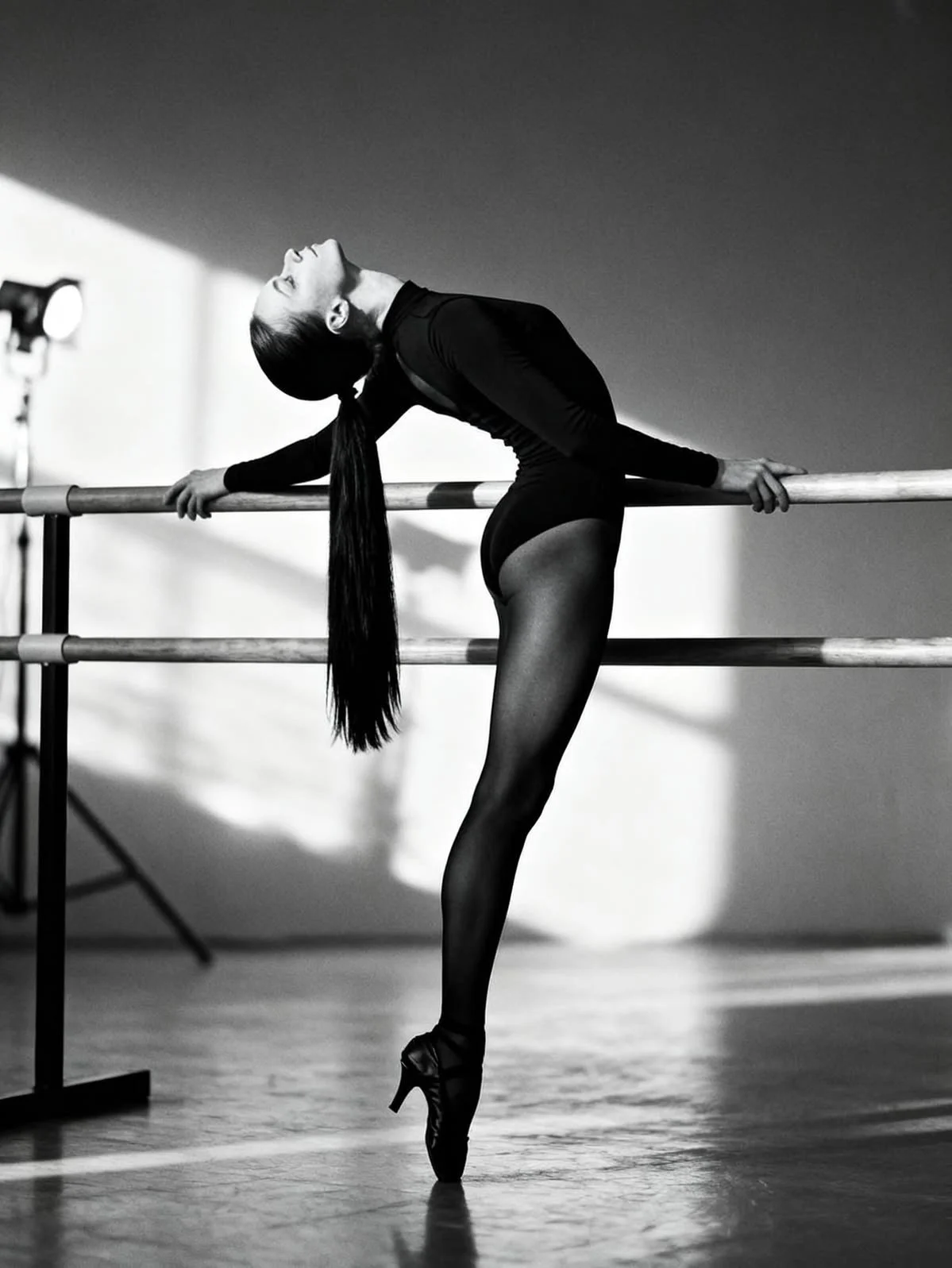
For many women, fitness priorities begin to change after 40.
The focus may shift from simply burning calories to maintaining strength, improving posture, preserving flexibility and feeling comfortable in everyday movement.
And increasingly, adults are looking for exercise that is not only effective, but also enjoyable and sustainable.
This is where ballet-inspired fitness offers something different.
You don’t need to become a ballerina, wear pointe shoes or have years of dance experience.
You can benefit from the movement principles of professional ballet at almost any adult age.
Why Your Body’s Training Needs May Change After 40
From midlife onwards, maintaining muscle strength and physical function becomes increasingly important.
Age-related changes in muscle mass, recovery, hormonal health and physical activity can influence how the body feels and performs.
For women approaching or experiencing menopause, changes in body composition may become more noticeable.
However, these changes do not mean that physical decline is inevitable.
Regular exercise, including resistance training, can help maintain muscle strength, physical function and bone health.
The important question is not simply how intensely you exercise.
It is whether your training develops the physical qualities you want to preserve.
These include strength, balance, mobility, coordination and cardiovascular fitness.
1. Ballet Fitness Can Help Develop Strength Without High-Impact Exercise
Classical ballet may look delicate, but its movements require considerable muscular control.
Exercises such as pliés, relevés, tendus and controlled leg extensions challenge the muscles of the legs, hips and trunk.
Many ballet-inspired exercises can be performed at a low-impact intensity, making them adaptable for adults with different fitness backgrounds.
The emphasis is on controlled movement, alignment and precision rather than speed.
At Ballet Body Sculpture, these ballet principles are combined with body conditioning exercises to develop strength and muscular endurance.
For maintaining muscle and bone health after 40, ballet fitness is best viewed as part of a balanced exercise programme that also includes progressively challenging resistance training.
2. Better Posture Can Change the Way You Carry Yourself
One of the most visible characteristics of professional dancers is their posture.
But beautiful posture is not created by simply pulling the shoulders backwards.
It develops through an understanding of how the body is aligned and supported.
Ballet teaches coordination between the feet, pelvis, spine, shoulders and head.
Through repeated practice, participants learn to recognise how their body is positioned while standing and moving.
This can be particularly valuable for adults who spend long periods sitting at a desk or working on a computer.
Improved postural awareness can influence how you stand, walk and carry yourself throughout the day.
Sometimes the most noticeable transformation is not a change in body measurements, but a change in how you move.
3. Core Strength Becomes More Important With Age
A strong core supports balance, movement control and everyday physical activities.
However, core strength is not simply about having visible abdominal muscles.
The trunk must work together with the pelvis, hips and back to provide stability during movement.
Professional ballet training constantly challenges this relationship.
A dancer must maintain control while balancing on one leg, moving the arms, lifting the legs or changing direction.
Ballet-inspired training adapts these principles into accessible exercises for adults.
At Ballet Body Sculpture, Pilates-based exercises complement ballet technique by developing trunk control, stability and movement precision.
The objective is to create strength that supports the whole body rather than focusing only on isolated abdominal exercises.
4. Ballet Fitness Can Improve Flexibility and Mobility
Stiffness is a common concern among adults returning to exercise.
Long hours of sitting and limited movement variety can contribute to reduced mobility.
Ballet-inspired fitness introduces controlled movements that challenge the hips, ankles, spine and shoulders.
Unlike passive stretching alone, many ballet exercises require strength and control throughout the movement.
This combination can help participants develop flexibility alongside muscular stability.
Importantly, you do not need to be flexible before beginning ballet fitness.
Flexibility is something you can gradually develop through appropriate training.
5. Balance and Coordination Are Valuable at Every Age
Balance is a physical skill that deserves attention long before older age.
Ballet training naturally incorporates balance exercises through weight transfers, controlled standing positions and movements performed on one leg.
It also requires coordination between the upper and lower body.
These challenges can develop body awareness and movement confidence.
For beginners, exercises can be adapted using the ballet barre for support.
As control improves, movements can gradually become more challenging.
This makes ballet-inspired training particularly interesting for adults who want to maintain coordination and physical confidence as they age.
6. Can Ballet Fitness Actually Change Your Body Shape?
This is one of the most frequently asked questions about ballet fitness.
The answer depends on what you mean by changing your body.
Regular ballet-inspired training can help develop muscular endurance, strength, balance and posture.
When combined with suitable resistance training and nutrition, it can contribute to changes in muscle development and body composition.
However, ballet exercises do not physically lengthen muscles or guarantee the physique of a professional ballerina.
Body shape is influenced by genetics, muscle mass, fat distribution, hormones and lifestyle.
What ballet-inspired fitness can offer is a distinctive combination of strength, control and movement quality.
The goal should not be to recreate somebody else’s body, but to develop the strongest, most capable version of your own.
7. How Often Should You Practise Ballet Fitness After 40?
Consistency is more important than occasional extreme effort.
For a complete beginner, one or two ballet-inspired sessions per week can provide a manageable introduction.
As fitness and confidence improve, training frequency can increase.
A balanced routine might include:
1–2 ballet-inspired fitness classes per week for posture, coordination, mobility and muscular endurance.
2 strength-training sessions per week to maintain or develop muscle strength.
Regular walking or other aerobic activity for cardiovascular health.
Short mobility sessions as needed.
These activities can overlap depending on the structure and intensity of each session.
The most effective routine is one that suits your physical condition, recovery needs and lifestyle.
8. How Long Does It Take to Notice Results?
There is no universal timeline because progress depends on starting fitness, training frequency and the exercises performed.
However, different benefits may become noticeable at different stages.
During the First Few Weeks
You may begin to notice improved body awareness, greater familiarity with movement patterns and increased confidence in class.
After Approximately 4–8 Weeks
With consistent practice, some people notice improvements in coordination, balance, movement control or muscular endurance.
After 8–12 Weeks and Beyond
More measurable improvements in strength, mobility and fitness may become apparent, depending on training intensity and consistency.
Visible body-composition changes are less predictable and depend on several factors beyond ballet fitness alone.
Rather than focusing exclusively on appearance, it can be useful to observe changes in how comfortably and confidently you move.
9. Is It Too Late to Start Ballet at 40, 50 or 60?
Absolutely not.
Professional ballet training and adult ballet-inspired fitness serve very different purposes.
Professional dancers often begin training during childhood because their careers require advanced technical skills.
Adult ballet fitness, however, can be adapted to different ages and experience levels.
You do not need perfect turnout, exceptional flexibility or the ability to perform complex choreography.
The emphasis should be on learning movement principles appropriate to your body.
At Ballet Body Sculpture, the objective is not to turn adult beginners into professional dancers.
It is to make the physical benefits of ballet training accessible, enjoyable and relevant to everyday life.
The Ballet Body Sculpture Method: Professional Ballet Principles for Modern Life
Ballet Body Sculpture was founded by former Principal Ballerina Asta Bazeviciute.
Drawing on her professional dance career and experience with body conditioning, movement mechanics and injury-prevention principles, Asta developed an approach that combines classical ballet with complementary training methods.
The Ballet Body Sculpture Method incorporates:
Classical Ballet — posture, alignment, coordination, balance and graceful movement.
Pilates — core stability, body awareness and controlled movement.
Body Conditioning — muscular strength and endurance.
Mobility and Stretching — flexibility and freedom of movement.
Together, these elements create a comprehensive approach to movement for adults.
The training is designed to challenge the body while respecting individual ability and experience.
Frequently Asked Questions About Ballet Fitness After 40
Can beginners over 40 start ballet fitness?
Yes. Beginner-friendly ballet fitness can be adapted to different fitness levels and does not require previous dance experience.
Is ballet fitness good for menopause?
Ballet-inspired exercise can support strength, balance, mobility and wellbeing during midlife. However, maintaining muscle and bone health also requires appropriately challenging resistance and weight-bearing activity, alongside other relevant health measures.
Will ballet fitness help tone my legs and stomach?
Ballet-inspired training can strengthen muscles and develop muscular endurance. Visible definition depends on muscle development, body composition and other individual factors.
Is ballet fitness better than Pilates after 40?
Neither is universally better. Pilates emphasises controlled movement and core stability, while ballet adds balance, coordination and movement through space. Combining them can provide complementary benefits.
Do I need to be flexible to begin?
No. Flexibility can be developed gradually through suitable exercises. You should never force your body into extreme ballet positions.
Is ballet fitness suitable for women over 50 or 60?
It can be, provided the exercises are appropriate to the individual’s physical abilities and health needs. Those with significant joint problems, osteoporosis or relevant medical restrictions may need modifications or professional guidance.
Discover a Different Approach to Fitness After 40
Getting older does not mean giving up on strength, flexibility or graceful movement.
It means recognising the value of training intelligently.
Ballet-inspired fitness offers an opportunity to develop physical skills that extend beyond the studio.
At Ballet Body Sculpture, classical ballet meets Pilates, conditioning and mobility training in a method designed for adult bodies and modern lifestyles.
Whether you are returning to exercise, looking for an alternative to conventional workouts or simply curious about ballet, you can begin at your own level.
Explore Ballet Body Sculpture group classes and personal training in Zurich, London and online.
https://www.balletbodysculpture.com
You don’t need to become a ballerina to discover what ballet can do for your body.