Can you transform your body through ballet-inspired fitness without spending hours running or lifting heavy weights?
Ballet has long been associated with elegant posture, muscular control and beautifully coordinated movement.
It is therefore unsurprising that ballet-inspired workouts have become appealing to adults who want to improve their physique while enjoying a different approach to fitness.
But can ballet fitness actually help with weight loss?
And what does body sculpting really mean?
The answer lies in understanding the relationship between physical activity, muscle strength, body composition and consistency.
Can Ballet Fitness Help You Lose Weight?
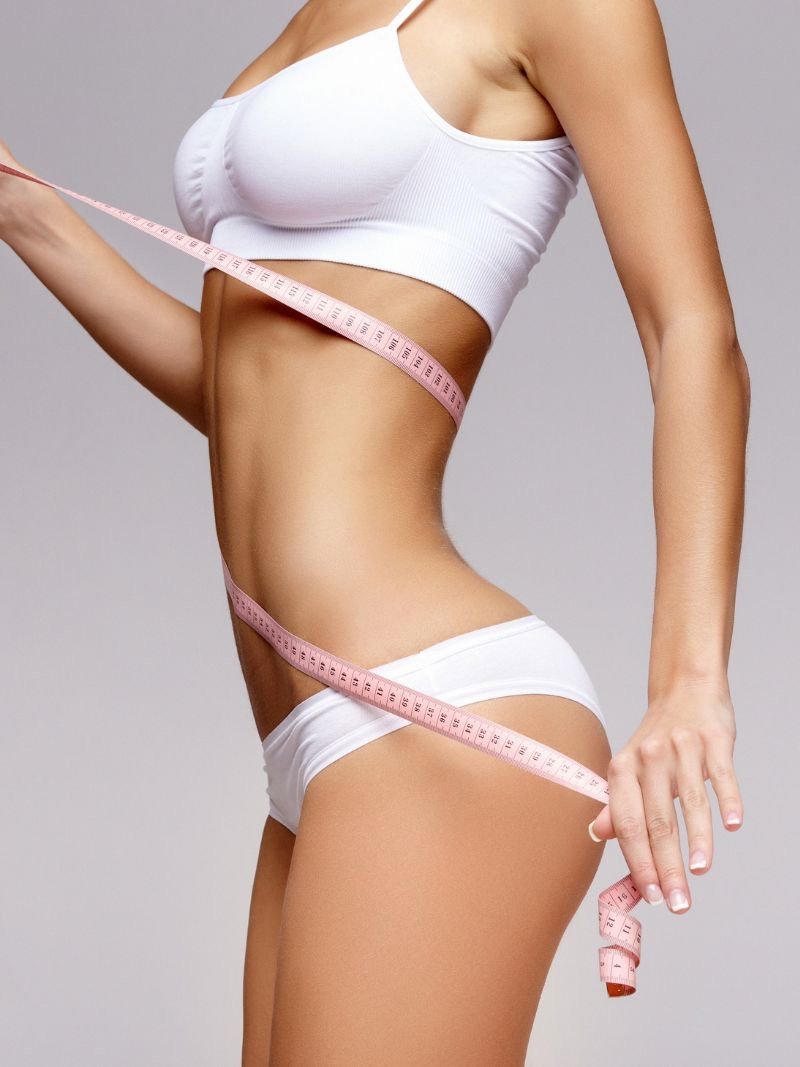
Yes, ballet-inspired fitness can contribute to weight management as part of an appropriate overall lifestyle.
Like other forms of exercise, it increases energy expenditure and can improve physical fitness.
However, weight loss is influenced by many factors, including nutrition, total physical activity, sleep, individual metabolism and health.
No particular exercise method can guarantee weight loss.
A 2024 consensus statement from the American College of Sports Medicine concluded that no single exercise modality is consistently superior for weight loss or preventing weight gain.
The research supports a combination of physical activities suited to individual needs and preferences.
This is encouraging news for people who enjoy ballet, Pilates or low-impact conditioning.
You do not have to choose an exercise you dislike simply because it promises rapid results.
What Does Body Sculpting Actually Mean?
The expression body sculpting is often used to describe developing muscle definition and improving body composition.
However, exercise cannot selectively remove fat from a particular body area.
Performing hundreds of abdominal exercises will not necessarily reduce abdominal fat.
Similarly, ballet movements do not physically lengthen muscles or change the structure of your legs.
What training can do is strengthen muscles, improve muscular endurance and contribute to changes in body composition.
Ballet-inspired fitness also develops posture and movement control, which may change how you carry yourself.
These are meaningful benefits even when the number on the scale remains unchanged.
1. Ballet Challenges the Whole Body
Classical ballet movements require coordination between multiple muscle groups.
Pliés challenge the legs and hips.
Relevés strengthen the calves and challenge balance.
Controlled leg extensions require trunk and hip stability.
Port de bras develops upper-body coordination and postural awareness.
When these exercises are combined into a structured fitness class, they can create a demanding full-body workout.
2. Pilates Adds Core Strength and Precision
Pilates complements ballet-inspired fitness through controlled trunk and pelvic movements.
Its emphasis on precision, breathing and body awareness can help participants perform exercises more effectively.
At Ballet Body Sculpture, Pilates principles are integrated with ballet technique and body conditioning.
The objective is not simply to exhaust individual muscles.
It is to develop strength and control throughout the body.
3. Body Conditioning Supports Muscle Development
Muscular strength is an important part of maintaining a healthy, functional body.
As we age, preserving muscle becomes increasingly relevant.
Bodyweight exercises, resistance training and progressively challenging movements can help maintain or develop muscular strength.
For substantial muscle growth, training must provide sufficient resistance and progression.
Ballet-inspired conditioning can contribute to this process, although additional resistance training may be appropriate depending on individual goals.
4. Low-Impact Exercise Can Still Be Effective
One misconception is that exercise must involve jumping or intense cardio to produce results.
Low-impact workouts can challenge muscular endurance, balance and coordination while avoiding repeated jumping.
For some adults, this makes exercise more comfortable and sustainable.
However, low impact does not automatically mean low effort or low joint stress.
Exercise intensity should be adapted to individual ability.
5. Consistency Matters More Than Fitness Trends
A workout only delivers lasting benefits when it becomes part of a sustainable routine.
For many adults, enjoyment plays an important role in maintaining consistency.
Ballet introduces music, rhythm, coordination and artistic expression into physical training.
Instead of focusing exclusively on repetitions, participants also develop movement skills.
This can make exercise feel more rewarding.
A routine that you enjoy and can maintain is often more valuable than an extreme programme you abandon after a few weeks.
How Often Should You Train for Weight Management?
The World Health Organization recommends adults accumulate at least 150–300 minutes of moderate-intensity aerobic activity per week, or an equivalent amount of vigorous activity.
Muscle-strengthening activities involving major muscle groups are also recommended on at least two days per week.
For weight management, overall activity levels and nutrition matter.
A practical weekly routine might include:
Two ballet-inspired fitness sessions.
Two appropriately challenging strength-training sessions.
Regular walking, cycling or other aerobic activity.
Mobility and stretching as needed.
Some sessions may fulfil more than one purpose.
The ideal routine depends on your current fitness, goals and recovery needs.
Why Personal Training Can Help
When the objective is improving body composition, a personalised approach can be valuable.
A personal trainer can help structure exercise sessions, select appropriate progressions and monitor changes in strength, mobility and fitness.
At Ballet Body Sculpture, private training can combine ballet-inspired movement, Pilates and body conditioning according to individual goals.
Rather than following a generic programme, participants can focus on the physical qualities most relevant to them.
Nutrition and other lifestyle factors remain important, particularly when weight loss is a primary goal.
Frequently Asked Questions
Is ballet fitness good for weight loss?
It can contribute to energy expenditure and overall fitness. Weight loss depends on total activity, nutrition and individual factors.
Does ballet give you long, lean muscles?
Ballet can develop strength, muscular endurance and posture, but it does not physically lengthen muscles or guarantee a particular body shape.
Is Pilates or ballet better for weight loss?
Neither is universally superior. The most effective programme is one that provides appropriate exercise intensity and can be maintained consistently.
Can ballet fitness tone your stomach and legs?
Ballet-inspired exercises can strengthen the abdominal and leg muscles. Visible definition also depends on body composition.
Do I need to do cardio alongside ballet?
Depending on class intensity, additional aerobic exercise may help you meet general physical activity recommendations.
Discover Body Conditioning With Ballet Body Sculpture
Ballet Body Sculpture was created by former international Principal Ballerina Asta Bazeviciute to bring the benefits of professional ballet principles into modern adult fitness.
The method combines classical ballet, Pilates, body conditioning, stretching and mobility.
Whether your goal is greater strength, improved posture, better movement control or a more consistent exercise routine, BBS offers an intelligent approach.
Explore group classes, online workouts and personalised training in Zurich and London.
https://www.balletbodysculpture.com
Train for strength. Develop confidence. Move with grace.